What Kills Fall Weeds Effectively — And When to Apply It
Cooler days are here, and that means one thing: fall weeds are moving in. Chickweed, henbit, clover, and dandelion sprout fast in late summer and early fall. If you don’t stop them, they’ll spread through your whole lawn by winter. Here’s the fast answer on what kills fall weeds effectively: match the herbicide to the weed’s life cycle, then apply it at the right time. A pre-emergent product blocks weeds before they ever break the soil, so put it down when night temperatures settle into the 65°F to 70°F range. Weeds that have already come up need a different tool: a selective post-emergent product, applied while they’re actively growing. Use both together, add basic lawn care, and you'll stop fall weeds cold, before they ever become a spring problem. Products like Image Herbicides make the post-emergent half of that easy to put into practice.
Table of Contents
- Common Fall Weeds You Can Do Without
- Why Weeds Take Over Lawns in Fall
- What Kills Fall Weeds Effectively
- Preparing Your Lawn Before You Treat
- How to Apply Fall Herbicides the Right Way
- Keeping Fall Weeds From Coming Back
- Choosing the Right Herbicide for Fall Weeds
- The Bottom Line on Fall Weed Control
COMMON FALL WEEDS YOU CAN DO WITHOUT
Know your enemy before you fight it. These fall weeds show up in yard after yard, year after year, and each one has a distinct look.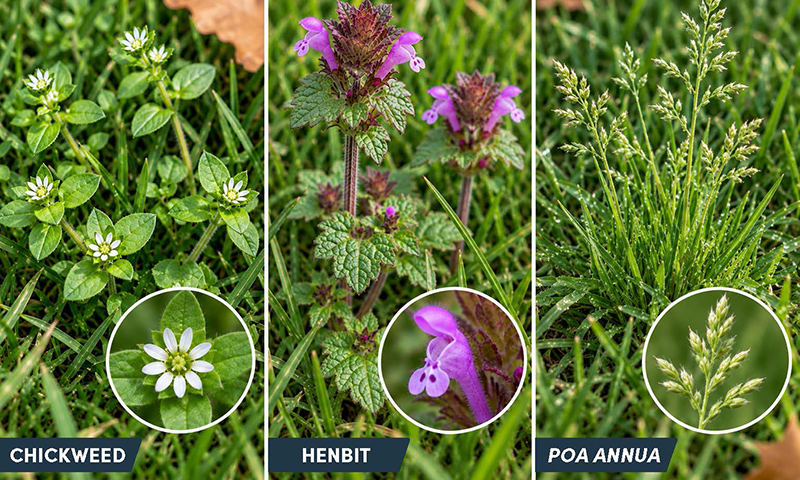
Chickweed and henbit are easy to mix up — annual bluegrass (Poa annua) is a different problem hiding in plain sight
- Chickweed: grows low and spreads fast, with small oval leaves and tiny white flowers shaped like stars. Look for it in cool, damp, shady patches.
- Henbit: has square stems and round, scalloped leaves, topped with small purple flowers. It grows in thick clumps and can take over a lawn fast.
- White clover: has three round leaflets and clusters of white flowers. It spreads by creeping stems that root wherever they touch soil.
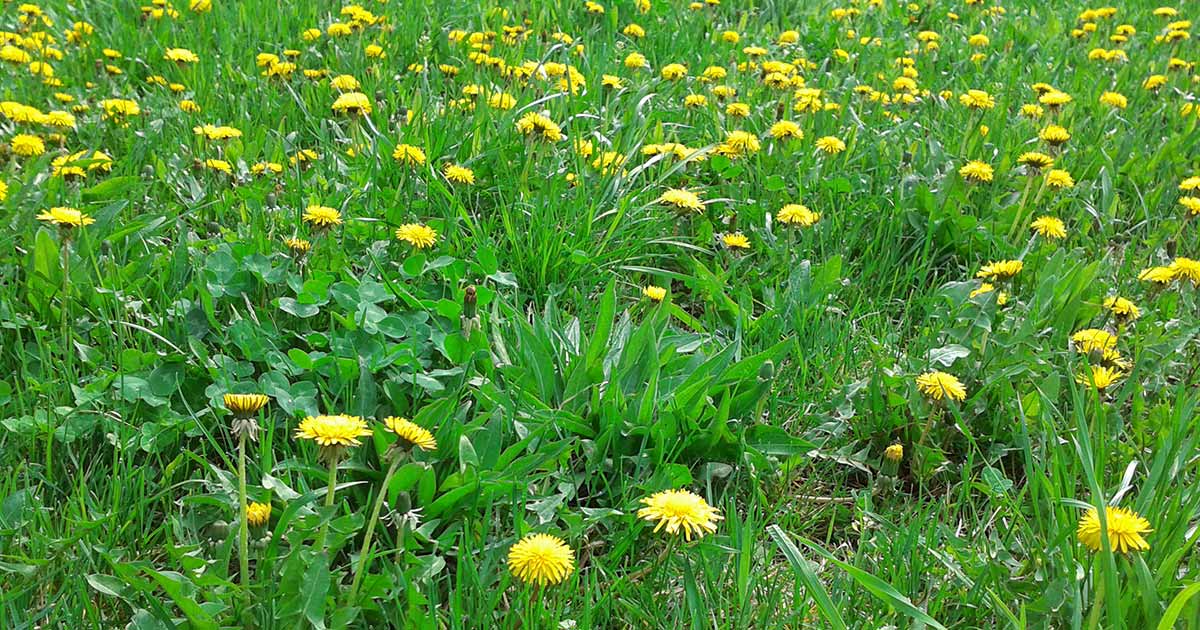
- Dandelion: is easy to spot, with bright yellow flowers, jagged leaves, and a long taproot. That taproot is what makes it so hard to pull by hand.
- Annual bluegrass (Poa annua): is a light green grass that grows in bunches and looks lighter than the rest of your lawn. Pale seed heads show up as it matures.
WHY WEEDS TAKE OVER LAWNS IN FALL
These weeds all share one thing in common: they’re winter annuals. Winter annuals sprout in late summer and early fall, grow through the cooler months, and die on their own by late spring1. Left alone, that fall sprout is how they build up in your lawn before you even notice them.
Different fall weeds also point to different lawn problems. Chickweed and annual bluegrass often show up in lawns getting too much nitrogen2. White clover usually means the opposite: not enough nitrogen to keep grass thick and competitive2. Compacted soil invites annual bluegrass too2, so a weed problem can be a clue about what your lawn actually needs.
Weeds don’t show up just anywhere in a lawn. They move into bare or thin spots in the turf1. A lawn that’s mowed too short, watered too much or too little, or under-fed all summer usually ends up with those weak spots by fall. A thick, vibrant lawn is simply harder for weeds to invade than a stressed one.
WHAT KILLS FALL WEEDS EFFECTIVELY
There are two main tools for killing fall weeds, and they work at different points in a weed’s life: pre-emergent herbicides and post-emergent herbicides.
PRE-EMERGENT HERBICIDES
Pre-emergent herbicides build a barrier in the top layer of soil that stops weed seeds from growing normally as they germinate1. That barrier has to go down before the weeds sprout. Once you can see chickweed or henbit in the lawn, a pre-emergent will no longer be effective1.
Timing matters more than the date on the calendar. For pre-emergent herbicides, the trigger point for putting one down is night soil temperatures settling into the 65°F to 70°F range. That usually falls somewhere between mid-August and mid-October, depending on where you live. Your local Cooperative Extension office publishes exact dates for your area, so it's worth checking before you apply.
POST-EMERGENT HERBICIDES
Post-emergent herbicides work the opposite way: you spray them directly on weeds that have already sprouted and are actively growing1. Selective post-emergent products — like Image Herbicides Crabgrass, Nutsedge & Weed Killer for LawnsII — target broadleaf weeds like dandelion, clover, and chickweed without harming your grass1. That’s why most post-emergent products sold for home lawns are selective.
Fall is actually a great time to use a post-emergent product. Cooler air means less risk of stressing your grass, and many weeds are actively growing right now, which makes them easier to kill1.
Most lawns end up needing both types working together: pre-emergent to stop the next wave of weeds before it starts, and post-emergent to clean up whatever already came up.
PREPARING YOUR LAWN BEFORE YOU TREAT
Take a soil test before you treat, especially if it’s been a couple of years since your last one. Most lawns do best with a soil pH between 6.0 and 6.52. Outside that range, your grass has a harder time pulling in the nutrients it needs to outcompete weeds.
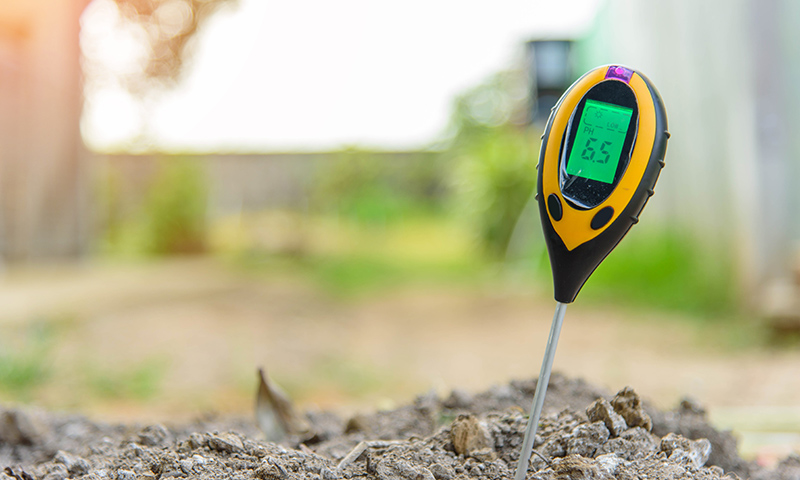
A simple soil test tells you whether pH is holding your lawn back before you spend money on treatment
Mow at the recommended height for your grass before you start treatment, and never cut off more than one-third of the grass blade at once2. Cutting too low stresses your lawn, and that stress opens up the bare, thin patches that fall weeds are looking for.
Fix bare or thinning patches while you’re at it. Weeds fill in wherever your grass isn’t thick enough to block them out1, so every thin spot is a head start for the next round of weeds.
GOOD PRACTICES FOR A VIBRANT FALL LAWN
Planning to overseed thin spots this fall? Do it well before or well after your pre-emergent application, not at the same time — most pre-emergent products will stop new grass seed from sprouting right along with the weeds. Pennington grass seed, matched to your grass type, is a solid choice once the timing lines up.
Feed your lawn on a regular schedule with a quality fertilizer, like Pennington Full Season Lawn FertilizerII. A well-fed lawn competes with weeds far better than a hungry one.
HOW TO APPLY FALL HERBICIDES THE RIGHT WAY
- Check for visible weeds first. If weeds are already up, identify them — pre-emergent and post-emergent products target different weeds, and only post-emergent works once weeds have sprouted. If nothing's visible yet, timing matters more than ID — that's pre-emergent territory.
- Apply at the right temperature. Most fall herbicides work best in a certain temperature range, listed right on the label. Spray too far outside that range, and you waste product and get weaker results.
- Apply evenly. Whether you use a sprayer or a spreader, uneven coverage leaves streaks of weeds behind. Measure your lawn’s square footage first, so you know how much product to use.
- Water in granular pre-emergent products the way the label says to. For liquid post-emergent products, let the spray dry on the weed instead of watering right after.
- Skip newly seeded or overseeded areas. Most pre-emergent herbicides will prevent new grass seedlings, so wait until the new turf is established1.
- Keep an eye on things, and follow up if needed. If weeds come back a few weeks later, check the label for reapplication timing before you treat again.
KEEPING FALL WEEDS FROM COMING BACK
The strongest long-term defense against fall weeds isn’t a product at all. It’s a thick, vibrant lawn. Turfgrass that’s fed, watered, and mowed the right way is much harder for weeds to invade in the first place1.
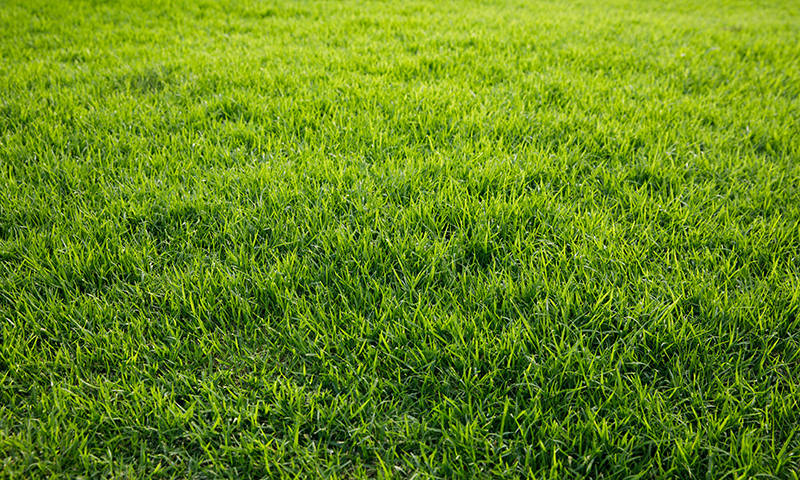
A dense, well-fed lawn crowds out the room weeds need to take hold in the first place
Once you’ve put down a pre-emergent barrier, try to leave the soil alone. Aerating or raking hard right after you apply it can break that barrier and let weed seeds through anyway.
Keep an eye on next season, too. Summer weeds like crabgrass sprout on a totally different schedule than the winter weeds you’re treating now. Your fall work and your spring work are two separate jobs, not a one-and-done fix.
CHOOSING THE RIGHT HERBICIDE FOR FALL WEEDS
Once you know what you’re up against, the right Image product can finish the job.
For homeowners battling dandelion, chickweed, clover, and other broadleaf weeds in southern lawns, Image Herbicides Weed Killer for Southern Lawns Ready-To-Spray and Concentrate are built to take them out in
St. Augustinegrass, Bermudagrass, Centipedegrass, and Zoysiagrass, without harming the turf.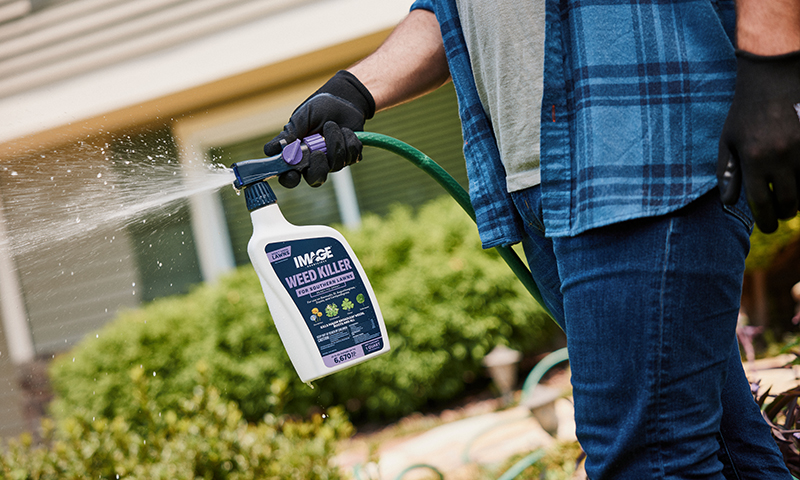
Image Herbicides Weed Killer for Southern Lawns targets listed broadleaf weeds in southern turf.
For lawns fighting a mix of broadleaf weeds and grassy weeds like crabgrass in the same season, Image Herbicides Crabgrass, Nutsedge & Weed Killer for Lawns Ready-To-SprayII and ConcentrateII start working on contact against dandelion, clover, and other listed weeds, killing them roots and all. It delivers visible results in three to seven days and kills weeds completely within two to three weeks. It’s also labeled for a wider range of grasses, including fescue, ryegrass, and Kentucky bluegrass.
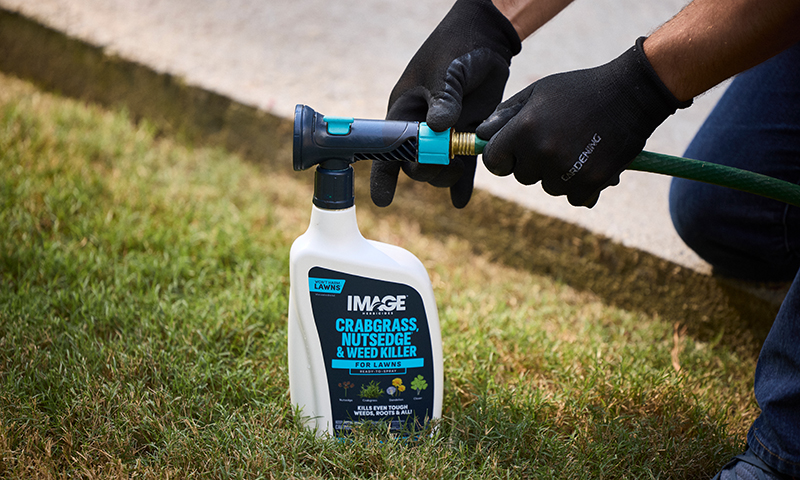
Image Herbicides Crabgrass, Nutsedge & Weed Killer for Lawns handles broadleaf and grassy weeds in the same pass.
Want to spot-treat a patch and see exactly where you’ve sprayed? Image Herbicides Weed Killer Foaming Spray for Lawns foams on contact, so there’s no guesswork about coverage.
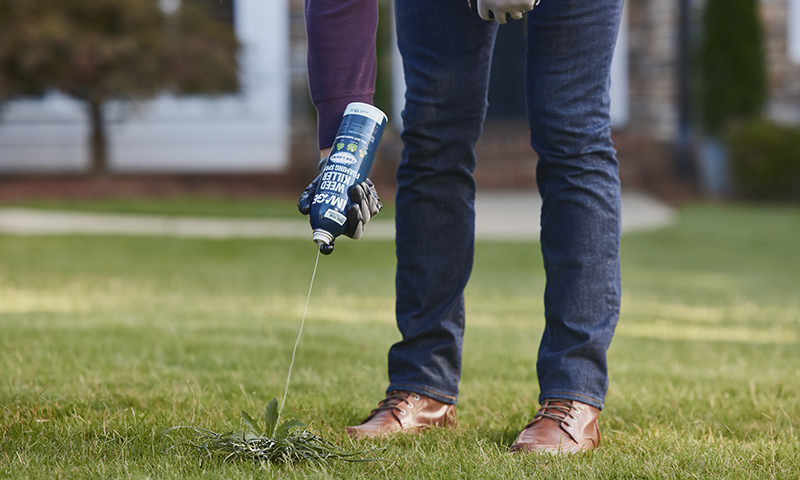
Image Herbicides Weed Killer Foaming Spray foams on contact, so you can see exactly where you've sprayed.
THE BOTTOM LINE ON FALL WEED CONTROL
Fall weeds are tenacious, but you don’t have to let them win. Identify what’s growing. Hit winter weeds with a pre-emergent before they sprout. Clean up anything already growing with a selective post-emergent. Keep your lawn lush enough to hold its own. Get those pieces right, and you can take back your lawn before winter even sets in — that’s what it means to control the uncontrollable, instead of the other way around.
Always read product labels thoroughly and follow instructions, including guidelines for specific lawn grass types and weeds.
Image is a registered trademark of Central Garden & Pet Company.
SOURCES
- Waltz, C., & McCullough, P. E. Weed Control in Home Lawns (Bulletin 978). University of Georgia Cooperative Extension. Published with full review July 17, 2024. fieldreport.caes.uga.edu/publications/B978/weed-control-in-home-lawns
- Miller, G. L., Kerns, J. P., & Billeisen, T. Organic Lawn Care: A Guide to Lawn Maintenance and Pest Management in North Carolina (AG-562). NC State Extension. Published September 2020. content.ces.ncsu.edu/organic-lawn-care-a-guide-to-organic-lawn-maintenance-and-pest-management
-
Frequently Asked Questions
What is the best time to kill fall weeds?The best time for a pre-emergent product is when night soil temperatures drop into the 65°F to 70°F range1. That’s usually somewhere between mid-August and mid-October, depending on your region. For weeds that are already growing, apply a post-emergent product while it’s still mild enough for your grass to handle it without stress. -
Do pre-emergent herbicides work on weeds that already sprouted?No. Pre-emergent herbicides only work before weed seeds germinate1. Once you can see a weed in the lawn, you need a post-emergent product instead.
-
Can I use a pre-emergent and a post-emergent herbicide at the same time?Yes. Using both is common, and often necessary, since no single herbicide controls every weed at every stage1. Just make sure the products are compatible, and read both labels for any use precautions.
-
Why do the same weeds keep coming back every fall?Winter weeds like chickweed and henbit drop seed before they die off in spring. That seed sits in the soil until fall conditions trigger it to sprout again1. Without a pre-emergent barrier or a thick lawn to compete with them, the cycle repeats every year.
-
What’s the difference between selective and non-selective weed killers?Selective herbicides target certain weeds, like broadleaf plants, without harming the grass around them1. Non-selective herbicides kill any plant they touch, so they work better for spot treatments or hardscape areas than a full lawn.
-
Is it too late to treat fall weeds if I can already see them growing?Not necessarily. Once weeds have sprouted, a selective post-emergent product applied while they’re actively growing can still control them well1. It’s only pre-emergent products that need to go down before weeds show up.